
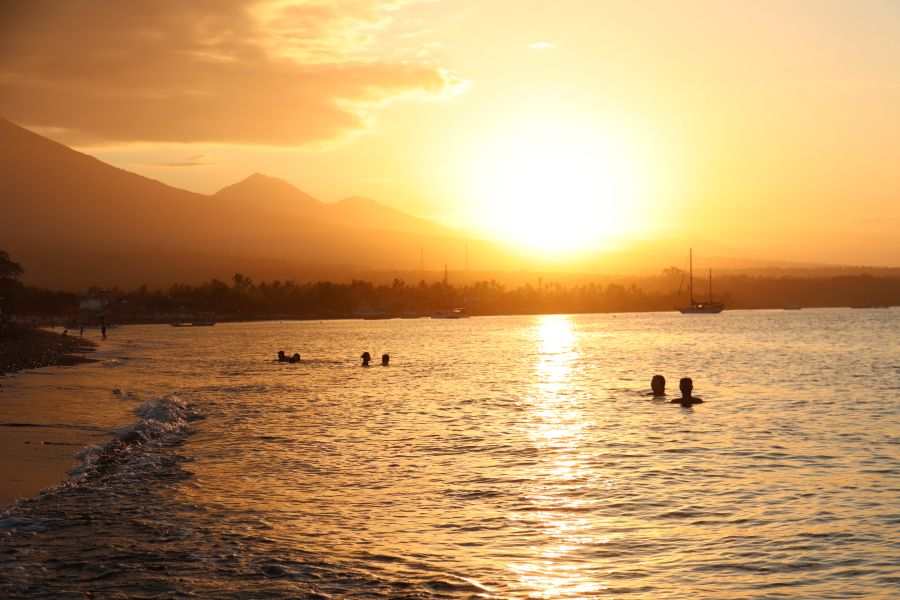
Bali is one of the smaller islands of the Indonesian archipelago, but without a doubt the most famous one. “Bali…”, my coworker looks at me with dreamy eyes when I tell him about our travel plans, “I always wanted to go there. I need to go there once in my life”. What is it that makes so many people feeling a connection to this place, even from afar? In this article, we try to explore the question what makes Bali so unique, we share our Best of Bali locations and we’ll rave about how insanely vegan-friendly this island is 😉
The Island of Bali
Introduction to Bali
Bali, a small island in Indonesia, has become one of the most well-known tourist destinations in the world. While it is home to around 4.4 million locals, 15 million people are visiting every year – including around 5.3 million international tourists and nearly 10 million domestic travelers from other parts of Indonesia. During peak season (July-August), tourists can even outnumber locals, especially in areas like Canggu, Ubud, Seminyak and Uluwatu.
And there’s a good reason why Bali attracts so many people. It’s a place of stunning natural beauty and rich cultural depth. It has picturesque beaches, where you can swim, snorkel, dive and surf. It has mountains, lush forests and waterfalls. And of course, the famous rice terraces. The landscape on this small island is incredible diverse.

Bali is often called the “Island of the Gods“, and once you’re here, it’s easy to see why. The deeply spiritual culture can be felt everywhere: in the daily offerings placed carefully on doorsteps, in the scent of incense lingering in the air and in the quiet rituals that shape everyday life. It’s unlike anywhere else we’ve ever been. And it left us with a deep respect for the people here, especially for the way they live their spirituality with grace and intention, and continue to do so amidst a (sometimes terrifying) growing number of tourism.
Currency
The local currency is the Indonesian Rupiah (IDR).
At the time of writing:
1 EUR ≈ 17,000 IDR
1 USD ≈ 15,500 IDR
Cash is essential in smaller towns, but cards are accepted in many restaurants and hotels. Keep small bills for markets, street food and tips.
Religion
Bali is the only island in Indonesia where Hinduism is the dominant religion – specifically, a unique form called Balinese Hinduism. Religion is woven into daily life, from the beautiful offerings placed on doorsteps to the many ceremonies, processions, and temple festivals happening year-round. If you wanna know more, we explored spirituality and religion in Bali more in detail in our article here.
You’ll also find small Muslim, Christian, and Buddhist communities across the island, especially in more urban or mixed areas.
Tip: When visiting temples, always wear a sarong and sash (usually provided at the entrance). Be mindful not to step on offerings (canang sari), which are placed on the ground throughout the day.
Visa
Options include Visa on Arrival (VOA) or apply online for an e-VOA. Here’s what you need to know:
- Valid for 30 days
- Extendable once for another 30 days (total: 60 days)
- You can apply for an e-VOA before you travel on the official site: evisa.imigrasi.go.id
Indonesian immigration may ask for proof of onward travel when you arrive. If you don’t have one yet, consider booking a refundable ticket or using a service that provides temporary flight confirmations, for example through bestonwardticket.
Transport
To get around in Bali, you can use apps like Grab and Gojek in many areas – perfect for booking taxis, motorbikes, or even food delivery. However, in some tourist-heavy spots like Ubud, Canggu, and parts of Seminyak or Uluwatu, local taxi groups often block or restrict these app-based services to protect their business. In those areas, it’s easier to book a local taxi. Of course, you can also rent a scooter if you’re comfortable driving – it’s the most flexible way to explore, but traffic and road conditions can be tricky.
SIM Cards & eSIMs
Staying connected in Bali is easy:
- Local SIM card: Cheap and widely available at airports, shops, and convenience stores. Telkomsel has the best coverage in remote areas.
- eSIM: More expensive, but you can keep your SIM card from home. We personally used Telkomsel.
Drinking Water
Tap water is not safe to drink. Always use bottled or filtered water. Consider bringing a reusable bottle with a built-in filter to reduce plastic waste.
Best Time to Visit Bali
Bali is a year-round destination, but the experience changes a lot depending on the season.
- Dry Season (April – October): The most popular time to visit. Expect sunny days, low humidity and calm seas – perfect for beach days, hiking, diving and outdoor adventures. This is also high season (especially July and August), so accommodation prices and crowds are higher.
- Rainy Season (November – March): Expect frequent but short tropical downpours, often in the afternoon or evening. While some days can be very wet, mornings are usually clear. This season comes with fewer tourists, lush green landscapes and cheaper accommodation. Great if you prefer quieter travel and don’t mind occasional rain.
Best of Bali – Our Favorite Locations
Pemuteran
Pemuteran is a laid-back coastal town in the North of Bali. It’s far removed from the tourist crowds of island’s south, but offers plenty of comfort, in the form of accommodations, restaurants and shops. The spot should be high on the list of everyone that loves snorkeling or diving – Pemuteran is known as one of the best underwater destinations in Bali! Guided tours take you to Menjangan Island, an uninhabited island with crystal-clear waters, colorful fish and even turtles (we saw 2 during our snorkeling trip!). In recent years, multiple conservation projects developed in the area, such as Biorock and Metamorfosa with the aim of protecting and restoring the corals.

Accommodation: Mango Tree Inn. Lovely accommodation that’s run with lots of love and care. We had a big room and an outdoor shower. There is breakfast included in the price, the vegan option is simple toast with veggies (personally, we prefer Indonesian breakfast like Nasi Goreng, but that was not available here). It’s a 5min walk from the beach and right next to the main street with all the shops and restaurants.
Vegan Food: It’s easy to find vegan options at every Warung, such as rice with tofu/tempeh or veggies. Good places that we tried include Warung Bukit, Nyusu Bistro and Eco Taste Café (a bit more on the touristic side).
Activities: Everything around water – snorkeling, diving, swimming. We booked a snorkeling trip with Menjangan Island Trip that we can highly recommend! Included in the price of 500.000 IDR/person was the pick-up from our accommodation, snorkeling gear and lunch. Lunch was Nasi Goreng (we specified without egg) and we especially appreciated the fact that it came in in a reusable, plastic-free container (something that’s still not very common in Southeast Asia).
Munduk
One of our favorite Bali destinations! Munduk is a mountain village in the north of Bali, surrounded by waterfalls. You’ll find a few restaurants and massage centers here, but other than that, it’s still relatively untouched by tourism. It’s perfect to walk around, explore the nearby waterfalls, and if you need a break, just sit down in one of the cafés to enjoy the view. And here’s the fun part: no matter which one you choose, they all have amazing views, same as almost every corner in Munduk. On clear days, you can even see the sea far below in the distance.

Accommodation: We stayed at Munduk Clove for 2 nights and loved it. You have incredible views (told ya above ;P) from the room and it’s not far from the start of the waterfall trail. They offer vegan breakfast (Nasi Goreng without egg) and we also had a delicious tofu curry at their restaurant for dinner once.
Vegan Food: We ate at Eco Café 2, had a coffee to escape the rain at The Melanting and dinner at our accommodation Munduk Clove.
Activities: Waterfalls and enjoying a cup of coffee with a view! For the waterfalls, we followed this itinerary (there is an entrance fee for every waterfall, ranging from 20.000 – 45.000 IDR).
Ubud
Ubud is the spiritual heart of Bali, where temples and the scent of incense are tucked between tourist shops, and gorgeous, quiet rice fields are just minutes away from some of the worst traffic jams we’ve experienced in Indonesia. Ubud is multifaceted and fascinating. And polarizing. For us, it took a while to warm up to the crystal shops, boho clothing stalls and smoothie bars on every corner, but for many visitors, that’s exactly what they come for. And it didn’t take long for us to realize that Ubud is so much more. Just a short walk or bike ride away from the busy center center, you’ll find rice fields, lush green jungle-like areas and waterfalls.

Accommodation: We stayed at this lovely Airbnb in the center of Ubud. The host Wahtu was super accommodating, preparing us vegan breakfast in the morning (often scrambled tofu, sometimes beans) and always making sure that we were comfortable.
Vegan Food: Ubud is a vegan paradise, so wherever you stay, you won’t have trouble finding vegan options within walking distance. There are many fully vegan places, but if you travel on a budget, Warungs are probably the better choice. We ran wholeheartedly recommend Wulan Vegetarian Warung for a fully plant-based menu! For a deeper look into Ubud’s food scene and specific restaurant recommendations, check out our complete Vegan Guide to Indonesia.
Activities: Visit the Ubud Palace, walk along rice paddies, visit the Mancingan Rice Terrace (less busy and less expensive than the famous Tegalalang Rice Terrace), take a yoga class, walk around and take in the atmosphere of the area.
Amed
Amed is a cozy little beach town on the east coast of Bali. It is known for its laid-back vibe and excellent snorkeling spots, with almost-guaranteed turtle sightings. While relaxing on the beach, you’ll also have a stunning view of Mount Agung, Bali’s highest volcano. Aside from the beach, Amed mainly revolves around one main road lined with small restaurants, bars, and shops.

Accommodation: We stayed in Mesari Homestay & Warung, a simple, yet comfy guesthouse with stunning views of the rice fields and mountains. The place is run by a super friendly family, who made us vegan banana pancakes every morning for breakfast.
Vegan Food: In Amed, nearly every warung has vegan options, at the very least, Nasi Goreng with tempeh or tofu should never be a problem. Special shoutout to Warung Mekar – when we asked if they have dishes with tempeh or tofu, they surprised us with a whole separate menu full of vegan-friendly dishes. If you want a change from traditional Indonesian food, Good Stuff Café offers many delicious vegan options (vegan salmon and cream cheese bagels!). And for Mexican food, Cocina Mexicana is the right choice and they understand what veganism is.
Activities: Snorkeling, kayak or stand-up paddle at the beach, visiting rice fields (we can recommend the Berina Rice fields, privately owned by a local family. You can have a drink at their café, enjoy the stunning views and their cute dogs).
Other Places in Bali
We didn’t make it everywhere on the island, but Bali has so much more to offer:
- Canggu & Seminyak – known for their beaches, surf culture and café scene. Very lively, but also very crowded.
- Nusa Dua & Sanur – family-friendly beach resorts with calmer waters, popular with tourists.
- Nusa Islands (Penida, Lembongan, Ceningan) – just off Bali, these islands are famous for dramatic cliffs, manta rays, and clear blue water. Nusa Penida especially has become an Instagram hotspot.
- Kuta – Bali’s original tourist hub. It’s party-central with nightclubs, bars and cheap hostels. Not really our vibe, so we skipped it.
We didn’t visit these areas ourselves, but if you’re planning your Bali trip, they might be worth checking out depending on your travel style.
What to Do in Bali
Snorkeling & Diving
Bali is a paradise for snorkelers and divers alike. The waters around Amed and Tulamben on the island’s east coast are perfect for beginners, with easy shore access and colorful coral reefs. The USAT Liberty Shipwreck in Tulamben is one of the most famous dive sites in Southeast Asia. For experienced divers, the island of Nusa Penida offers the chance to spot manta rays (year-round) and even mola mola (between July and October). Menjangan Island, in the northwest, is part of Bali Barat National Park and can be explored through guided snorkeling or diving tours, often starting from Pemuteran.

Waterfalls
Bali is also home to stunning waterfalls. Tegenungan Waterfall, near Ubud, is one of the most accessible and photogenic. Sekumpul Waterfall in North Bali is often called the most beautiful on the island, but it requires a bit of trekking and many steps. Tukad Cepung Waterfall offers a truly magical experience, as it is hidden inside a cave where sunlight beams through the rocks. Gitgit, Banyumala, and Nungnung are also worth the journey if you’re exploring the island’s interior.
Rice Terrace Walks
Bali’s rice terraces are iconic for good reason. Tegalalang, just outside Ubud, is a popular (and photogenic) spot, tough it can get very crowded. If you prefer a quieter experience, head to Jatiluwih, a UNESCO World Heritage Site. Here, you can walk along peaceful paths for hours, surrounded by tiered fields and local farmers. It’s also a great place to learn about subak, Bali’s traditional irrigation system.

Temples
Bali’s temples are central to its identity and daily life. One of the most famous is the Uluwatu Temple, located directly at the edge of a cliff, and where you can also catch a sunset Kecak fire dance. Besakih Temple, also known as the Mother Temple, sits on the slopes of Mount Agung and is the most important spiritual site on the island. Tirta Empul, near Ubud, is famous for its holy spring where locals and visitors alike take part in purification rituals.
Yoga/Wellness
Bali is one of the world’s top yoga destinations, with Ubud at its spiritual center. Studios like Yoga Barn or Radiantly Alive Yoga offer drop-in classes, workshops, and retreats for all levels. But our true coup-de-coeur was the Griya Heart Yoga & Meditation Centre, where we took yoga sessions and tried palm reading for the first time. More on this on our article about spirituality in Bali. You’ll also find plenty of wellness offerings in Ubud and Bali in general, from sound healing in Pyramids of Chi (Ubud), to Balinese massages, flower baths and detox programs.
Hiking
One of the most iconic experiences in Bali is the Mount Batur sunrise trek. You’ll start in the early morning hours and hike up to the crater in time to watch the sun rise over the island. For experienced hikers, Mount Agung offers a more demanding trek and requires a local guide. The views from the top (if the clouds allow) are unmatched, but the climb is long and starts around midnight.
Driving Around
The best way to explore Bali’s hidden gems and remote villages is by scooter. You can ride past endless rice fields, stop at tiny roadside warungs, or chase down quiet coastal stretches. Some well-known scooter routes include the road between Sidemen and Amed or the loop around Mundu. Just make sure you’re confident riding, wear a helmet and have an international driving permit.
Vegan Food in Bali
As already hinted at in the intro, being vegan in Bali is incredibly easy – it’s probably the most vegan-friendly destination we’ve ever been to! In popular tourist hotspots like Ubud or Canggu, you’ll find plenty of fully vegan cafés and restaurants. While we often like to check menus online in advance, in Ubud we mostly just wandered around and picked places spontaneously. You’re never more than a few minutes away from the next fully vegan, or at least vegan-friendly, spot! Even in quieter areas like Pemuteran or Amed, health-conscious restaurants with at least a few plant-based options are easy to find. Sounds like a dream, right?

That said, these places are often a lot more expensive than traditional Indonesian eateries, and especially the more fancy cafés can be unfair competition to smaller local warungs and not at all affordable for locals. Eating in places like Zest Ubud for example was certainly a cool (and delicious) experience, but at times it made us feel a bit out of touch with our surroundings. Finally, it all depends on the kind of experience you’re looking for, and these places certainly play an important role in showing how creative and flavorful vegan cuisine can be. Luckily, in most of Bali, you really have the choice. Like everywhere else in Indonesia, even a typical warung (local eatery) usually offers Nasi Goreng (fried rice) and often other vegan-friendly dishes like vegetable curry or Gado-Gado (steamed vegetables with peanut sauce). During our time in Bali, we tried to balance our meals between local warungs and the more “exciting” (especially after eating almost exclusively Indonesian food for nearly a month) fully vegan spots, a choice that felt good both for our conscience and our budget.
We have created a separate article, a full Vegan Guide to Indonesia, with restaurant recommendations for Bali and other islands, along with a list of local dishes and practical travel advice. There you’ll find a more in-depth look at our favorite vegan places in Pemuteran, Munduk, Ubud and Amed.
Eco & Responsible Travel in Bali
Bali has become very popular over the recent years, and the growing tourism comes with some struggles. This is why it is more important than ever that travelers act responsibly and help protect the island’s environment and culture while supporting local communities:
- Plastic waste: Bali struggles with single-use plastic. Carry a reusable bottle (refills are widely available), say no to plastic straws and bring your own bag when shopping.
- Ocean & reefs: Always use reef-safe sunscreen and never touch or step on coral while snorkeling or diving. Avoid tours that feed fish or sea turtles.
- Temples & ceremonies: Dress modestly (sarong around waist, shoulders covered) and never climb on shrines or statues.
- Rice fields: Bali’s rice terraces are not just photo spots, they are working farms. Stay on marked paths, don’t step into fields and respect the farmers who rely on them.
- Support locals: Beyond trendy cafés, try eating at family-run warungs, booking tours through local guides and staying in homestays. This way, your money directly benefits Balinese families.
Frequently Asked Questions — Bali
When is the best time to visit Bali?
April–October (dry season) offers sunny days and calmer seas. July–August is peak season (crowds & higher prices). November–March brings short tropical showers, lush landscapes, and fewer visitors.
Is Bali vegan-friendly?
Very! You’ll find fully vegan cafés in hubs like Ubud and Canggu, plus lots of plant-based options at local warungs (think nasi goreng tanpa telur, tofu/tempeh curries, gado-gado). See our full guide: Vegan Guide to Indonesia.
How many days do I need for Bali?
5–7 days for one region (e.g., Ubud or the North). 10–14 days to combine mountains, waterfalls, and beach time (e.g., Munduk + Ubud + Amed). Add 2–3 days if visiting the Nusa Islands.
Where can I escape the crowds?
Head to the North & East: Munduk (waterfalls), Pemuteran (reef & Menjangan), Amed (snorkeling). In Ubud, explore sunrise rice-field walks and lesser-known terraces like Mancingan instead of Tegalalang.
Do I need a scooter to get around?
Not necessarily. In many areas you can use local taxis or hire drivers. Scooter gives flexibility but requires confidence with traffic and hills. Always wear a helmet and carry an international driving permit.
What about SIM cards and connectivity?
Telkomsel has the widest coverage. Buy a local SIM at minimarkets or use an eSIM. Signal is strong in towns; patchy in remote valleys and along some coastal roads.
Is Bali safe to drink tap water?
No—use bottled or filtered water. Many cafés/hotels offer refills. Bring a reusable bottle to reduce plastic waste.
What should I pack?
Light clothing, a sarong for temples, reef-safe sunscreen, mosquito repellent, rain jacket (Nov–Mar), and good shoes for waterfall trails.
How can I travel responsibly in Bali?
Use reef-safe sunscreen; never touch coral; carry a reusable bottle/bag; stay on rice-field paths; dress modestly at temples; support family-run warungs and local guides.
What are some must-do experiences?
Snorkel Menjangan or Amed, chase waterfalls in Munduk, sunrise at Mount Batur, walk quiet rice terraces near Ubud, and explore Balinese culture at temples like Tirta Empul or Uluwatu.
Further Reading
Blog Articles
- Best of Java
- Best of Lombok & Gili Islands
- Vegan in Indonesia
- Spirituality in Bali: A Fascinating Journey Through the Islands of the Gods
Useful Resources

About the Authors
Lynn & Daniel are the vegan couple behind VanderlustJourney, combining their passion for adventure and plant-based living. They share stories and visuals of natural places, hikes, vegan discoveries, and meaningful encounters from around the world – always striving to travel with kindness.
👉 Follow us on Instagram
✉️ Contact: vanderlustjourney@outlook.com
Very informative piece in Bali. Definitely on my bucket list
Thank you, hope you can make it there soon!