
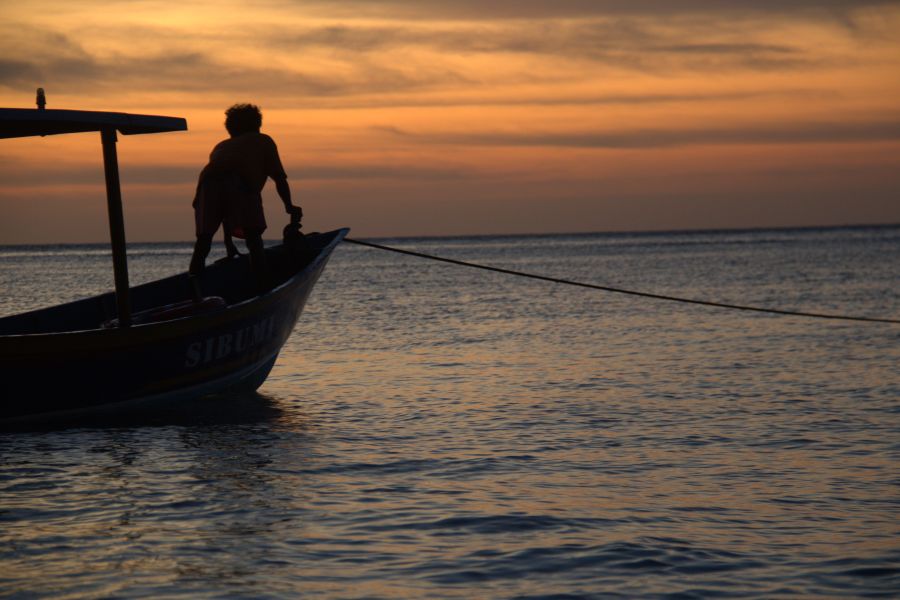
The island of Lombok holds a special place in our hearts. By the time we arrived, we had already been traveling through Indonesia for nearly a month. But it was the island’s beauty, the warmth of its people, and above all a little mountain village that made us feel like we had truly arrived. In this Best of Lombok, we’ll share our favorite locations, things to do – and of course, our favorite vegan finds.
The Island of Lombok
Introduction to Lombok
Just east of Bali lies Lombok, a quieter and less-touristic alternative that offers something for everyone. Adventurers are drawn to the challenge of Mount Rinjani, Indonesia’s second-highest volcano, while nature lovers can explore gorgeous waterfalls around Tetebatu or the scenic rice fields surrounding lovely mountain villages. Down south, Kuta Lombok has become a hotspot for surfers and beach lovers, offering a mix of laid-back cafés, vibrant nightlife and waves for every level. And just off the coast, the Gili Islands are perfect for snorkeling, diving, or simply relaxing by the sea. What makes Lombok truly special is its balance: stunning nature, friendly people, and delicious food.
Curious? Let’s dive in!

Facts about Lombok
Currency
The local currency is the Indonesian Rupiah (IDR).
At the time of writing:
1 EUR ≈ 17,000 IDR
1 USD ≈ 15,500 IDR
Cash is essential in smaller towns, but cards are accepted in many restaurants and hotels. Keep small bills for markets, street food and tips.
Religion
Unlike Bali, Lombok is predominantly Muslim. You’ll hear the call to prayer echo from mosques and see many women wearing hijabs. That said, the island is also home to Sasak traditions, and you’ll find a few Hindu and Christian communities as well, especially in urban areas. In general, people are welcoming and used to visitors, but it’s a good idea to dress modestly when exploring rural areas. A light scarf or sarong for women can come in handy to cover knees or shoulders.
Visa
Options include Visa on Arrival (VOA) or apply online for an e-VOA. Here’s what you need to know:
- Valid for 30 days
- Extendable once for another 30 days (total: 60 days)
- You can apply for an e-VOA before you travel on the official site: evisa.imigrasi.go.id
Indonesian immigration may ask for proof of onward travel when you arrive. If you don’t have one yet, consider booking a refundable ticket or using a service that provides temporary flight confirmations, for example through bestonwardticket.
Transport
Getting around Lombok is a bit different than Bali:
- Grab and Gojek are not widely available, especially outside Mataram or Senggigi.
- In most places, you’ll need to arrange local transport, such as taxis, motorbike taxis or private drivers. Your accommodation can usually help.
- Renting a scooter is a popular option and the most flexible way to explore, but be aware: road conditions can vary, and traffic rules are loosely followed in rural areas.

On the Gili Islands, there are no motorized vehicles. The main ways to get around are bicycles, walking or horse carts (cidomo). Of course, we strongly discourage this last option. As it’s not ideal to walk across the island (depending on where your accommodation is) with heavy luggage, we suggest to plan ahead and pack lightly for this trip.
SIM Cards & eSIMs
Staying connected in Bali is easy:
- Local SIM card: Cheap and widely available at airports, shops, and convenience stores. Telkomsel has the best coverage in remote areas.
- eSIM: More expensive, but you can keep your SIM card from home. We personally used Telkomsel.
Drinking Water
Tap water is not safe to drink. Always use bottled or filtered water. Consider bringing a reusable bottle with a built-in filter to reduce plastic waste.
Best Time to Visit Lombok
The dry season (May – September) is the most popular time to visit, with sunny days and calm seas, which means it’s perfect for beaches, snorkeling and trekking. The wet season (October – April) brings heavier rain, but you’ll find fewer tourists, greener landscapes and cheaper accommodation. Surfers will love the waves between May and October, while divers should aim for June to September for the clearest visibility.

How to Get to Lombok & The Gili Islands
From Bali
- Fast boat (approx. 1.5–2.5 hrs) from Padang Bai or Serangan: tickets can be booked online (12Go Asia, Direct Ferries) or at local tour offices in Bali. Personally, we like to book tickets through Bluewater Express.
- Public ferry (5-6 hrs) from Padang Bai to Lembar (budget option): buy tickets directly at the harbor ticket counter, no need to book in advance.
- Flight (30 mins) from Denpasar to Lombok International Airport: book directly with airlines (Garuda Indonesia, Lion Air, Wings Air) or through Skyscanner.
To The Gili Islands
Boats leave from Bangsal, Senggigi, or directly from Bali: Tickets are available at harbors, through local agents or online (12Go Asia, official boat company websites).

Local Culture in Lombok
Lombok is home to the Sasak people, with their own language and traditions. To great locals, you can use “Selamat pagi/siang” (good morning/afternoon). and weaving crafts. Dress modestly in non-tourist areas (cover shoulders & knees) and always take off your shoes before entering a home or mosque. If you’d like to learn more about Sasak traditions, bamboo and weaving crafts are a wonderful way to do so. Bamboo is widely used in daily life, from house construction to handicrafts, because it’s strong, sustainable, and locally available. Weaving (tenun) is another important part of Sasak culture, with women handcrafting colorful textiles on traditional looms. Sasak weaving is typically plant-based, made from cotton or other natural fibers, and dyed with natural colors.
For a hands-on experience, we can recommend Ukenk Bamboo Craft in Tetebatu, where you’ll meet super friendly people without any pressure to buy. Nearby, you’ll also find a small bamboo weaving initiative run by local women, where you can even try making your own basket or go through the many impressive bamboo items in their shop.


Best of Lombok – Our Favorite Locations
Tetebatu
If you’re craving cool mountain air, quiet village life, and a deeper connection to local culture, Tetebatu might be exactly what you’re looking for. Tucked away on the southern slopes of Mount Rinjani, this little town feels worlds away from the hustle of Lombok’s beaches.
We originally planned to stay just a couple of nights but ended up spending six rainy, peaceful days here – and loved every minute. From our incredibly welcoming hosts, who taught us how to ride a scooter on a football field and shared homemade rice wine by the fire, to quiet walks through rice fields and waterfall dips surrounded by giggling local kids, Tetebatu quickly became one of the highlights of our trip. If you want to read more about our amazing stay in Tetebatu, check out the article Have you heard of Tetebatu?
While it’s not quite the “hidden gem” we first imagined (it’s actually the oldest tourist destination on Lombok), Tetebatu remains authentic and relaxed. There are no tourist shops, little pressure to buy anything, and most of the attractions,like rice fields, waterfalls, and the monkey forest, can be explored at your own pace. We even got to try traditional bamboo weaving, which gave us a real appreciation for the skill and effort that goes into local crafts.
If you’re after a slower pace and meaningful encounters, Tetebatu is well worth a stop on your best of Lombok itinerary.

Accommodation: Kunang Kunang. A truly peaceful escape, surrounded by rice fields and close to waterfalls. When we booked it for six nights, the super affordable price and the fact that it only had 5-star reviews almost made us suspicious – it honestly sounded too good to be true. But as it turned out, the hosts, Hari and Ida, are simply some of the kindest, most welcoming people we’ve ever met, and make everyone feel at home right from the start. We especially recommend Kunang Kunang if you’re looking to connect with the local community, slow down, and experience Tetebatu in an authentic, down-to-earth way.
Vegan Food: We mostly ate at Lesehan & Cafe Sarang Walet, close to our accommodation. From curries, over fried tempeh and tofu, to Urap Urap (steamed vegetables mixed with a spiced grated coconut dressing), we had a variety of dishes and it was always super tasty.
Activities: Waterfalls, rent a scooter and drive through rice fields, Bamboo crafts, Tetebatu Monkey Forest, Mount Rinjani hike (overnight trip).


Kuta
Kuta (Lombok; not to be confused with Kuta, Bali) is a laid-back surfer town located in the south of the island. It centers around a few lively main streets lined with shops, cafés and restaurants, giving it a relaxed, yet animated vibe. At the same time, the many construction sites scattered around town are a clear sign of its rapid development and growing popularity as a “new” tourism hotspot.
Kuta is the perfect departure point for exploring different beaches around, especially if you’re into surfing or wanna give it a try. There’s beginner-friendly beaches like Selong Belanak Beach or Tanjung Aan Beach, or Seger Beach or Mawi for intermediate and advanced surfers. If you plan to explore Kuta’s beaches and environments, we suggest to rent a scooter.

Accommodation: We stayed in Mengalung Bungalow for almost a week. The rooms are super big with a lovely terrace and walking distance from Kuta’s main center. Breakfast was a bit limited for vegans, the only option being plain fried noodles, but you still get a fruit juice and fruit platter with it every day. And if you need one more point to be convinced: there are lots of cats around the property!
Vegan Food: We went multiple times to Warung Selow and had a delicious veggie curry for an affordable price. If you’re craving something different from Indonesian food, Terra is a wonderful vegan place for fresh, healthy food in a beautiful setting. Pizza Shack offers pizza with vegan mozzarella (tip: on Wednesdays, you’ll get 2 pizzas for the price of 1!). Munchies has vegan smoothie bowls and cookies. And though we didn’t get to try this one, Granita is offering vegan panini and poké bowls.
Activities: Surfing, taking a stroll through Kuta and Kuta Beach, visiting Shelter for Lombok Dogs (Saturdays are for visitor’s days, contact them on instagram for the exact location), visit of a traditional village.


Secret Gilis
“Gili” means “little island” in Bahasa Sasak, the local language spoken in Lombok, and there are countless gilis around the island. The famous trio of Gili Air, Gili Meno, and Gili T certainly draw the most attention, but there is also a collection of small islands in the northwest, located in the Sekotong region. Although they are far from secret anymore, they remain lesser-known and quieter than their famous cousins in the north.
“Secret Gilis” is not an official classification, but when people mention them, they mostly mean one or more of the following: Gili Rengit, Gili Layar, Gili Asahan, Gili Goleng, Gili Nanduk, Gili Sudak, and Gili Kedis. What they all have in common is that they are relatively undeveloped and offer beautiful snorkeling, diving, and beach-hopping experiences. On some of them, you’ll find warungs offering drinks and food (mostly fresh fish, but rice and veggies are usually available too).
As mentioned, the easiest location to explore the Secret Gilis is Sekotong. We joined a group tour organized by our accommodation (Kristal Garden), which took us to Gili Rengit, Gili Layar, Gili Asahan and Gili Goleng, where we snorkeled around in crystal-clear water and even saw a seahorse! While some tours also operate out of Kuta, they tend to be pricier, and it’s much easier (and more budget-friendly) to book directly from Sekotong. If you prefer more flexibility, you can also arrange a private tour to visit whichever islands you like.
Accommodation: We stayed at Kristal Garden, which is conveniently located just a few minutes’ walk from the beach where tours to the Secret Gilis depart. They offer both private and group tours to explore the nearby islands. Our room was spacious and cozy with a simple bathroom. There was even a swimming pool, our first one on our Asia trip! This part of Sekotong is located in a Hindu village, and the decorations, Canang Sari (daily offerings), and traditional architecture instantly transported us back to the atmosphere of Bali.

Vegan Food: For convenience, we had dinner at our accommodation in Kristal Garden. They offer multiple vegan options, such as curries, sweet/sour tempeh and Gado-Gado (steamed veggies with peanut sauce), along with nasi goreng or mie goreng for breakfast. For the snorkeling tour, fish was on the menu, but it was no problem to have it replaced with tofu, rice and vegetables.
Activities: Snorkeling, taking a tour to the Secret Gilis, walking around the village.
Gili Islands
When people talk about the “Gili Islands,” they usually mean the three most well-known: Gili Air, Gili Meno and Gili Trawangan (often referred to as Gili T.). While Gili T. is known as the party island, Gili Meno offers a more tranquil environment, and Gili Air is often described as a good balance between the two. What they all have in common is that no motorized vehicles are allowed, which helps create a serene island atmosphere.
Tip: Since there are no cars or motorbikes, horse-drawn carriages (known as cidomos) are used to transport tourists and their luggage from the ferry to their accommodation. Please avoid taking these, because it would support these practices of exploiting animals. We recommend you to plan ahead and only take as much luggage as you’re able to carry on your own, especially considering the heat of the day.

The three islands offer beautiful beaches and warm water, so at the end of the day, it doesn’t really matter that much where you end up. We chose Gili Meno as our base, as we wanted mostly to unwind, snorkel, and didn’t care much for bars or restaurants.
Accommodation: We stayed at Amigos Bungalow in Gili Meno, which is located inside the island and therefor a bit cheaper than most accommodations located close or right next to the beach. Due to the small size of the island, nothing was far though and it took us 15 minutes to our favorite snorkeling spot. The accommodation was spacious and even offered a swimming pool. We were just a bit disappointed by the breakfast options: the pancakes they offered couldn’t be made vegan, and so we ended up with a small fruit platter.
Vegan Food: If you’re on Gili Meno, you absolutely should try the tofu curry at Rina Warung. With ingredients like peanuts, pineapples and basil, it was one of the best curries we’ve ever eaten. Bubbles Bar & Restaurant is serving some vegan options, such as burritos and raw zucchini pasta.
Activities: Snorkeling, diving, walking around the island, island hopping.

Senggigi
Senggigi is Lombok’s original tourist hotspot, especially in the 1990s, before Kuta Lombok took over. Nowadays, big hotels and resorts still remain from those times. With its long beaches, surf spots, and stunning viewpoints, it remains a destination worth visiting – especially if you’re looking for some relaxing beach days.
Accommodation: We stayed at Tiffany Garden, a lovely accommodation run by three super kind ladies. It’s located just a few minutes’ away from the beach and they offer vegan Nasi Goreng for breakfast.
Vegan Food: If you’re in Senggigi on a Thursday, Friday (10am-5pm) or Monday evening, you should absolutely visit SoulCafe Lombok. Their menu consists of a few organic bread and dessert options who are super fresh and tasty and can be enjoyed in their lovely garden.
Activities: Lying or walking across the beach, surfing, watching sunsets.
Practical Vegan Travel Tips for Lombok
Finding Vegan Food Options in Lombok
Being vegan in Lombok is very doable, but communication is important to avoid misunderstandings. The term “vegan” itself is not always understood, so it’s best to explain what you don’t eat. A useful phrase is:“Saya vegan, tidak makan daging, ikan, telur, susu” (I am vegan, I don’t eat meat, fish, eggs, or milk.) You can also say “tidak pakai” (without) when ordering, e.g. “Nasi goreng, tidak pakai telur” (fried rice, without egg). Many dishes are made fresh to order, so it’s normally not a problem to leave out egg or replacing meat with tofu/tempeh.


Unlike Bali, which is mostly Hindu, Lombok is predominantly Muslim. This means less pork, but chicken and fish are very common in daily meals. Eggs are also frequently added on top of dishes like nasi goreng or mie goreng. Luckily, there are plenty of naturally vegan-friendly Indonesian dishes you can look out for:
- Nasi Campur – rice with small side dishes; often includes tempeh, tofu, and veggies (but double-check for meat/fish).
- Urap Urap – steamed vegetables with spiced grated coconut.
- Sayur Asem – tamarind-based vegetable soup.
- Gado-Gado – mixed vegetables with peanut sauce (just ask to skip the egg).
On top of that, local warungs (small family-run eateries) often serve naturally plant-based dishes like tempeh goreng, tofu curries, stir-fried greens or urap (vegetables with spiced coconut). At traditional markets you’ll also find plenty of fresh fruit, tempeh and tofu. Street food can be a fun way to try local flavors – just point at what you’d like and ask if it’s without meat, fish, egg, milk.
For more tips and local restaurants, check out our full Vegan Guide to Indonesia.
Eco & Animal-Friendly Travel
You already know about avoiding horse carriages (cidomos) on the Gilis. In addition, here are a few other things to keep in mind:
- Snorkeling & Diving: Use reef-safe sunscreen, don’t touch coral, fish or turtles, and avoid tours that encourage feeding wildlife.
- Monkey Encounters: In places like Tetebatu’s Monkey Forest, observe without feeding. Feeding encourages dependency and aggressive behavior.
- Plastic Use: Plastic waste is a serious problem on Indonesia’s islands. To reduce it, we always carry a reusable bag (or re-use old plastic ones) when shopping and say no to plastic bags and straws. A reusable water bottle is also super handy: most accommodations have refill stations with filtered water, so you can refill for free instead of buying plastic bottles.
Navigation for Vegans
- Apps: HappyCow is your best friend for finding vegan-friendly warungs and cafés. Google Maps reviews can also help if you search for keywords like vegan, tofu, or tempeh.
- Key Phrases:
- “Tanpa telur” – without egg.
- “Tanpa susu” – without milk.
- “Tanpa ikan/udang/ayam” – without fish/shrimp/chicken.
- Snacks to Carry: Dried fruit, nuts, crackers or instant oats (check for ingredients, sometimes contain milk) can be lifesavers when traveling between towns or spending long days on the beach.
Conclusion of Being Vegan in Lombok
Overall, Lombok surprised us not just with its stunning landscapes and warm hospitality, but also with how accessible vegan food can be when you know what to look for. No matter if you prefer traditional warungs serving tempeh and vegetables, or cozy cafés offering smoothie bowls and vegan pizza, there’s something for everyone. With a bit of planning, you can enjoy delicious plant-based meals across the island while traveling responsibly and supporting locals.
What Surprised Us About Lombok
Every trip comes with a few surprises and unexpected situations, and Lombok was no exception. Two things stood out to us during our time on the island:
- Encounters with children: In some places, especially in touristy areas around Kuta Lombok, children may approach you to sell small bracelets. Often, they’ll start by asking questions in surprisingly good English, like “What’s your name?” or “Where are you from?”. It can feel a bit uncomfortable at first, but we found it’s best to respond kindly, smile, and then move on without buying or giving cash. A more sustainable way to support the community is by choosing local warungs, homestays, or community initiatives.
- Friendly but persistent questions: In Tetebatu especially, we were often greeted with the same questions: “Where are you from?” and “Where are you going?” both by adults and children, as we walked along the street. It never felt intrusive, but sometimes the intention is to guide you to a waterfall or offer their services as a local guide. If you’re not interested, a polite “no, thank you” is enough, and they’ll usually leave you alone quickly.
Conclusion: Lombok Is For You If…

- … you want to discover authentic villages and immerse yourself in local culture.
- … you’re looking to escape the tourist crowds.
- … you love hiking and outdoor adventures.
- … you enjoy surfing – whether you’re a beginner or already experienced.
- … you want genuine encounters and connections with locals.
- … you dream of island life: renting a scooter and simply following the road wherever it takes you.
FAQ: Lombok Travel Guide
Is Lombok cheaper than Bali?
Yes, Lombok is generally more affordable than Bali. Accommodation, food, and transport tend to be more budget-friendly, making it a great choice for travelers looking for beautiful landscapes without Bali’s higher prices.
Which Gili Island is best?
Each of the three Gili Islands has its own vibe:
- Gili Trawangan: Lively, social, and popular with backpackers.
- Gili Air: A balance of relaxation and activities—great for couples and families.
- Gili Meno: The quietest and most romantic option, perfect for honeymooners.
Can you climb Mount Rinjani without a guide?
No, it is not allowed to climb Mount Rinjani without a certified guide and porter. This is for safety, navigation, and environmental protection. Booking a trek through an official operator is mandatory.
Is Lombok good for vegan travelers?
Definitely! Lombok is very vegan-friendly. With tofu, tempeh, fresh vegetables, and tropical fruits everywhere, it’s easy to enjoy plant-based meals. Check out our full Vegan Guide to Indonesia for detailed tips.
Further Reading
Blog Articles
- The Full Guide To Being Vegan in Indonesia
- How to See Wild Orangutans in Sumatra: Ethical Jungle Trekking
Useful Resources

About the Authors
Lynn & Daniel are the vegan couple behind VanderlustJourney, combining their passion for adventure and plant-based living. They share stories and visuals of natural places, hikes, vegan discoveries, and meaningful encounters from around the world – always striving to travel with kindness.
👉 Follow us on Instagram
✉️ Contact: vanderlustjourney@outlook.com
The Gili islands sound wonderful, given that they have no cars. We have always enjoyed visiting car-free islands–there’s something about it that is just more relaxing.
Totally, it gives a real island vibe 😀