
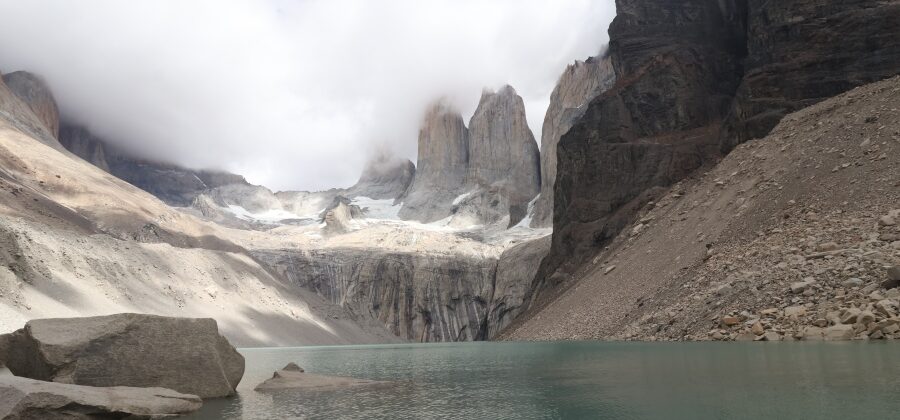
Torres del Paine National Park in Chile’s Patagonia is every nature lover’s dream: endless hiking trails, snow-covered mountains and glaciers, icy blue lakes and hilly grasslands that shimmer golden in the morning light. And, of course, the iconic “torres”, the three granite towers that give the park its name. The area can be explored on multiple-day hikes while staying in the park, or on day trips from nearby Puerto Natales. There are options for all kind of travel styles and budgets – and dietary lifestyles: traveling as a vegan in Torres del Paine requires a bit of preparation, but is absolutely doable. This guide is ideal if you’re visiting Torres del Paine as a vegan traveler, planning day hikes or staying in the park, and want to avoid surprises when it comes to food, accommodation and logistics.
Introduction
Quick Facts
- Best for: hiking, glaciers, mountains, lakes, wildlife, photography, adventure travel
- Where to stay: Inside the park (refugios, campsites) or Puerto Natales for day trips
- Main highlights: The “Torres”, Grey Glacier, French Valley, Lago Pehoé, wildlife spotting
- Getting around: Hiking trails, shuttle buses, guided tours, park transfers
- When to visit: October-April for best weather; summer months are busiest
- Getting there: ~2-3 hours from Puerto Natales by car or bus
- Traveling as a vegan in Torres del Paine: Requires preparation, but possible with packed snacks or selected park meals
Ideal for adventurers seeking stunning Patagonian landscapes and unforgettable hikes.
This post contains affiliate links. If you make a purchase or booking through these links, we earn a small commission at no extra cost to you. This supports our work and allows us to keep offering free content here on the blog.
About Torres del Paine
Torres del Paine is a national park located on the Chilean side of Patagonia. While the region is famous for its many outdoor attractions, the national park is without doubt the star of them all. With its dramatic granite mountains, snow-covered peaks and glaciers, wild rivers and lakes, and vast grasslands, Torres del Paine offers countless hiking opportunities for nature lovers.
The most famous hike is certainly Base Las Torres, leading to the iconic granite towers rising above a stunning turquoise lake. But in reality, there is so much more to explore, with trails suited to a wide range of preferences and fitness levels. You can stay inside the park and discover a different area each day on multi-day trekking routes, or opt for one or several day hikes, arriving by car or bus from nearby Puerto Natales (more on this below). In this guide, we’ll share everything you need to know to plan your visit: from getting there and choosing the right accommodation to practical tips for traveling as a vegan in Torres del Paine. If you want to skip the basics and are more interested in the hikes, check out our guide Day Hikes in Torres del Paine: Stunning Trails for Every Skill Level.
Getting to Torres del Paine National Park
There are several ways to get to Torres del Paine depending on your travel style.
- By plane: If you are traveling from outside of Chile or Argentina, you will most likely arrive by plane. The nearest major airport is Punta Arenas (PUQ). We didn’t fly ourselves, but some travelers told us that, arriving from the north, you’ll actually fly over the national park and have a stunning view if the weather is good 🙂 From Punta Arenas, you can take a 3-hour bus to Puerto Natales, which serves as the main gateway to the park. From here, you can either rent a car or take one of the frequent buses heading directly to Torres del Paine.
- By bus: If you are already traveling in Patagonia, overland buses are a popular and budget-friendly option. One common route is from El Calafate (Argentina) to Puerto Natales. As mentioned above, from Puerto Natales you can continue onward to Torres del Paine by rental car or scheduled bus.
- Hitchhiking: For travelers with time and flexibility, hitchhiking is quite common in Patagonia. We met several backpackers who reached Torres del Paine this way, especially from Puerto Natales. It’s not guaranteed of course, but it’s a realistic option in high season.
- By guided transfer or tour: Last but not least, you can also join a guided tour. This can be a great option if you’re traveling solo, short on time, or simply don’t feel comfortable tackling the hiking routes on your own. Most tours depart from Puerto Natales and usually include transport and a guide. Many of these tours can be conveniently booked in advance through platforms like GetYourGuide:
Staying at Torres del Paine National Park
As you may have noticed by now, there are essentially two main accommodation options when visiting Torres del Paine: staying directly inside the national park or basing yourself in Puerto Natales and traveling to the park by bus.
| Inside Torres del Paine National Park | Puerto Natales (Day Trips) | |
|---|---|---|
| Pros |
• Wake up surrounded by nature • Early starts for hikes (sunrise without commuting) • Minimal travel time, more hiking • Perfect for multi-day treks (W or O Trek) |
• More affordable accommodation options • Better access to supermarkets and vegan-friendly food • Flexible planning and rest days • Frequent and affordable buses to the park |
| Cons |
• Higher accommodation prices • Limited and expensive food options (+ limited vegan options) • Advance booking required in high season |
• Very early mornings due to bus schedules • Longer days because of commuting • No spontaneous sunrise or sunset hikes |
Staying at the Park
For travelers who prefer to stay in the park, there are several accommodation options:
Yellow Plum Camp Pehoé
Location: Near Lago Pehoé, central-western part of the park
Price category: $$
Type: Campsite with tents and meals
Yellow Plum Camp Pehoé is a well-known campsite located near Lake Pehoé, just outside the main boundaries of Torres del Paine National Park. The place is run by Carlos, who was incredibly enthusiastic when we reached out about vegan food. He sent us multiple photos of dishes and confirmed that he can prepare vegan meals on request. Carlos genuinely loves to cook and experiment with new ideas, so he’s very open to special requests. He offers breakfast (included in the stay), a three-course dinner and a lunchbox for hiking days, which makes Yellow Plum an especially comfortable and stress-free option for vegan travelers.


EcoCamp Patagonia
Location: Central area of the park, close to the W Trek trailheads
Price category: $$$
Type: Luxury eco domes
EcoCamp Patagonia is a unique accommodation option located directly inside Torres del Paine National Park and is especially interesting for vegan travelers with a higher budget. It offers comfortable geodesic domes with stunning views of the surrounding mountains, combining a close-to-nature experience with a higher level of comfort. Most stays include guided hikes, meals and logistics. Vegan meals are available and they also offer vegan to-go meals for hiking days.
Chilenativo Riverside Camp
Location: Villa Río Serrano, just outside of the Southern entrance of the national park
Price category: $$$
Type: Luxury tents
Chilenativo Riverside Camp offers luxury tents with private bathrooms and a stunning view on the river and mountains. It’s the first camp in Chile built with recycled plastic and operating with a Zero Waste Food Preparation system. The camp confirmed they can accommodate vegan diets, but we recommend requesting vegan options again at the time of booking to avoid any misunderstandings.
Hotel Lago Grey
Location: Close to Lake Grey and glacier boat tours
Price category: $$$
Type: Hotel with rooms
Hotel Lago Grey is situated on the shore of Lake Grey featuring stunning views on the lake, mountains and glacier. They offer several vegan options on the menu.
Hotel del Paine
Location: Riverside near the main entrance of Torres del Paine National Park
Price category: $$$
Type: Hotel with rooms
Hotel del Paine is located on the riverside near the national park entrance, offering beautiful views on the river and mountains. They serve vegan options, but we would recommend requesting them in advance/at the time of your booking.
Self Catering
For travelers that prefer self-catering, renting an accommodation with a kitchen can be a good idea. You’ll find for example Cabañas Lago Tyndall (close to the park entrance) or Departamentos 8va Maravilla (just outside the park). We highly recommend to stock up on groceries outside the national park (for example in Puerto Natales), since options inside the park are very limited.

Refugios and Campsites Along the W Trek & O Trek
For travelers hiking the W Trek or the O Trek, accommodation is provided through a network of official refugios and designated campsites located at different stages of the route. These must be booked in advance, often through multiple operators, which can make planning the treks quite a headache. Availability is limited, bookings sell out quickly in high season, and you are required to show proof of all overnight stays when entering the park. Since we didn’t do either of the two treks ourselves, we recommend reading this detailed step-by-step guide before planning your hike to get a better understanding about the booking process, accommodation options and logistics: https://worldlyadventurer.com/camping-in-torres-del-paine/ For the campsites/refugios that offer a meal plan, it is possible to request a vegan option at least 2 weeks before the beginning of the trek.

Accommodation inside Torres del Paine National Park is very limited and books up fast, especially during high season. Refugios, campsites and eco-lodges often sell out 6-12 months in advance. If you’re planning to stay inside the park, we strongly recommend booking as early as possible and always ask for vegan options at the time of your booking.
Staying in Puerto Natales
For budget-conscious travelers, staying in Puerto Natales is often the better option. From here, you can take a scheduled bus to Torres del Paine National Park, which brings you to the park in the morning and back to the city in the evening. Especially during high season, we recommend booking your bus tickets a few days in advance to secure a seat.

- The Veat Hotel is based in Puerto Natales, offering both vegan breakfast and lunch at their on-site restaurant, Hablemos Coco (not included in price of the room and closing at 4pm everyday). Centrally located, it’s a great mid-budget option for travelers looking for a more comfortable stay without having to worry about self-catering.
- Personally, we stayed at Puma House, a small and cozy hostel offering both shared dorms and private rooms. It was the perfect base for us: we prepared our vegan meals for hiking days in the shared kitchen and headed out early each morning. The hostel mainly hosts hikers visiting the national park, so the atmosphere is calm and quiet. The staff is friendly and helpful, and they also rent out hiking equipment, from trekking poles to tents, at very fair prices.
If these options aren’t the right fit for you, don’t worry: Puerto Natales has a wide range of accommodations for different budgets and travel styles. We’d recommend to look for accommodation options in advance, especially in high season. You can search for available stays and prices here:
Vegan in Torres del Paine
Traveling as a vegan in Torres del Paine requires some preparation, but it is absolutely possible. Given that many South American countries are known for their meat-heavy diets, we were positively surprised by how many vegan options were available with a bit of forward planning, both inside and around the national park..
Eating Inside Torres del Paine National Park
Food options inside the park are limited and expensive, and most restaurants are attached to hotels, refugios or campsites. Vegan options should always be requested in advance.
If you are staying:
- At one of the accommodations mentioned above: All accommodations listed under “Staying at Torres del Paine National Park → Staying at the park” confirmed vegan options at the time of our visit, either on site or also as takeaway meals for hikes and day-trips. That said, we’d always recommend to specifically ask for your vegan meals again at the time of booking.
- At refugios along the W or O Trek: For refugios booked through torreshike.com, the website clearly states that vegan meals can be prepared upon request. They offer breakfast, lunch and dinner, and there’s also the possibility to order packed lunchboxes for hiking days. Make sure to ask for vegan meals at least two weeks before the start of your trek.
- At campsites or accommodations with self-catering: This is the cheapest option, but it also requires the most preparation. There are no proper supermarkets inside the park, only very small and limited shops. Be sure to buy all ingredients, snacks and staples in Puerto Natales before entering the park.
Even if meals are included in your accommodation, we recommend always carrying backup vegan snacks (such as protein bars, nuts or energy bites), in case portions are small or there’s a mix-up at the accommodation for your vegan request.
Self-Catering & Snacks: What to Bring
If you plan to self-cater, here are some ideas for easy meals and snacks that give you energy for the hikes:
- oats + plant milk + peanut butter + bananas
- pasta with chickpeas
- protein bars (we’re a big fan of Trek Protein Oat Bars)
- sandwiches (for example hummus + veggies; peanut butter + bananas) or wraps + spreads
- dried fruit & nuts

Remember:
- Fresh produce is not allowed to be brought into Chile when crossing borders overland.
- Buy fresh items in Chile, ideally in Puerto Natales.
- Always declare food at the border to avoid fines.
Vegan Food in Puerto Natales
Puerto Natales is the best place to prepare for Torres del Paine as a vegan.
Supermarkets & Stores
You’ll find several well-stocked supermarkets where you can buy fruits & vegetables, bread, pasta, rice, canned legumes, plant milks, hummus, spreads and snacks. Personally, we stocked up at Unimarc and found everything we needed for our vegan meals.
Vegan & Vegan-Friendly Restaurants in Puerto Natales
Puerto Natales has a surprisingly good vegan-friendly food scene for its size! If you stay here for a few days and enjoy eating out, you definitely won’t get bored 🙂
- Menta Café: A fully vegan bakery and coffee shop with both savory and sweet options. Think empanadas, toasts, cinnamon rolls, cakes, and great coffee. Definitely worth a stop if you’re in Puerto Natales!
- Hablemos Coco Cafe: Fully vegan restaurant that belongs to The Veat Hotel offering sandwiches, soups, curries and bowls. They are only open until 4pm each day, but perfect for breakfast, lunch or brunch.
- El Tejano Tacos: A small, casual spot serving tacos, burritos and quesadillas – all available in vegan versions! We tried a burrito with seitan and a taco with vegan chorizo, and both were absolutely amazing. They also offer plant-based cheese. A big recommendation if you’re looking for simple but very tasty food. Everything can be ordered as takeaway, which also makes it ideal for a Torres del Paine day hike.

- Yume Cocina Fusión Japonesa: A Japanese fusion restaurant offering vegan sushi, a vegan ramen dish and a vegan bowl. We didn’t get to try it ourselves as it was already full when we passed by, but it’s a great option if you’re craving something different from typical local food.
- La Ensaladería: A small, family-run restaurant focusing on healthy dishes such as soups, salads and wraps. Several vegan options are available, making it a nice lighter alternative after days of hiking.
- Pizzeria Napoli: Classic pizzeria offering vegan cheese as an option for their pizzas. The perfect choice if you’re craving comfort food after a long day of hiking!
Practical Tips for Torres del Paine National Park
Best Time to Visit
Torres del Paine has a cold, windy Patagonian climate with strong seasonal differences:
| Season | What to Expect |
|---|---|
|
High Season December – February | The most popular time to visit, with longer daylight hours and milder temperatures. Trails, refugios and campsites are busiest, and advance bookings are essential. |
|
Shoulder Season October – November & March – April | A great alternative with fewer crowds, beautiful colors, and slightly lower prices. Weather can be more unpredictable, but hiking conditions are often still excellent. |
|
Low Season May – September | Winter brings snow, strong winds and limited access. Some trails and accommodations close, and guided hikes may be required. |
The weather in Patagonia can change rapidly at any time of day, and it’s not unusual to experience all four seasons in a single day – expect wind, sun, rain, and even snow 😄 At times, we were hiking in a t-shirt, only to find ourselves wearing a sweatshirt, jacket, and beanie a few hours later as strong, cold winds rolled in. Check out the packing list below to know what to bring!
Visa & Entry Requirements
Chile allows visa-free entry for many nationalities for stays of up to 90 days.
- Passport must be valid for at least 6 months.
- On arrival, you’ll receive a PDI entry card (digital or paper) – keep it safe, as you may need it for accommodations or when leaving the country.
- Always check the latest entry requirements based on your nationality before traveling.
- If you are entering Chile overland (for example from Argentina), be aware of strict food regulations enforced at the border, such as no fresh fruits or vegetables, or unpackaged food. We recommend to buy fresh produce in Chile after crossing the border, or stock up in Puerto Natales before entering the park.
Money & ATMs
Chile’s currency is the Chilean Peso (CLP).

- There are no ATMs inside Torres del Paine National Park.
- Very limited options near the park.
- Bring enough cash from Puerto Natales before entering the park.
Inside the park:
- Refugios and campsites may accept credit cards, but always be sure to also carry cash with you.
- Some smaller services or emergencies normally require cash.
As a travel card, we recommend the Wise multi-currency card . It allows you to hold and spend in multiple currencies, withdraw local cash at competitive exchange rates, and avoid high foreign exchange fees.
Practical tip: Withdraw cash in a larger cities before heading to Torres del Paine National Park.
Internet & SIM Cards
SIM cards are easy to buy in Chile from providers such as Entel, Movistar or WOM, and eSIMs also work well (we used Saily).
Inside Torres del Paine, mobile signal is very limited or nonexistent. While some refugios offer Wi-Fi, it can often be slow or/and you might need to pay. Therefore, make sure to download maps, reservations, tickets and emergency info offline before entering the park.
Budget & Typical Costs
Torres del Paine is one of the more expensive destinations in Chile, especially when staying inside the park.
Typical daily budget:
- Budget traveler: €40-70/day (camping, self-catering)
- Mid-range: €80-150/day (refugios, meals included)
- Higher-end stays: €200+/day (hotels, private transport, guided tours)
Additional costs:
- Park entrance fee (click here to buy the tickets online)
- Transport from Puerto Natales (book via 12Go) and transport for shuttles inside the park (paid in cash)
- Campsite or refugio reservations if staying inside the park
- Guided hikes (optional)
Useful Things to Pack for Torres del Paine
- Cash (CLP)
- Windproof & waterproof jacket
- Warm layers (find animal-free puffers for example on Save The Duck)
- Hiking boots (waterproof recommended)
- Quick-dry clothing
- Hat, gloves & sunglasses
- Reusable water bottle
- Snacks & packed food (especially vegan options)
- Headlamp or flashlight (early starts / campsites)
- Power bank (limited charging options in refugios)
- Sunscreen & lip balm (strong UV, even in cold weather)

Hiking in Torres del Paine: Overview
Torres del Paine National Park is one of the world’s most beloved hiking destinations, offering everything from short, scenic walks to challenging multi-day treks through some of Patagonia’s most awe-inspiring landscapes. Snow-capped mountains, glaciers, turquoise lakes and wide open grasslands make hiking here an unforgettable experience. Hiking options in the park can broadly be divided into day hikes and multi-day treks, depending on your time, fitness level and travel style.
Day Hikes in Torres del Paine
Day hikes are perfect if you’re:
- based in Puerto Natales
- short on time
- or prefer not to carry overnight gear
Popular day hikes include:
- Base Las Torres (the most famous hike in the park)
- Mirador Cuernos
- Salto Grande & Lago Nordenskjöld
- Grey Glacier viewpoints
Most day hikes are well-marked and accessible either by bus, car or guided tour.

Multi-Day Hikes: W Trek & O Trek
For those wanting a deeper immersion into the park, Torres del Paine offers two legendary long-distance routes:
- the W Trek (4-5 days)
- the O Trek (7-9 days)
These treks take you through the heart of the park and require:
- advance booking of refugios or campsites
- planning meals
- carrying gear or booking full-board accommodations
Hiking in Torres del Paine: Going Further
Since this article focuses on practical travel planning and vegan logistics, we’ve kept this hiking overview brief. For a detailed breakdown of the hikes we personally did, including trail difficulty, distances, preparation tips for vegan travelers and our honest impressions, we’ve created a separate, in-depth hiking guide: Day Hikes in Torres del Paine: Stunning Trails for Every Skill Level.
Conclusion
Hiking as a vegan in Torres del Paine might not seem easy at first – but after a bit of research, we were positively surprised by how uncomplicated it actually is. A remarkably high number of accommodations inside the park offer vegan meals, and in nearby tourist towns like Puerto Natales, plant-based options are easy to find in restaurants. With a little planning, the reward is waking up surrounded by Patagonia’s raw beauty, hiking through some of the most dramatic landscapes on Earth, and once again proving that traveling vegan is possible almost anywhere.

This guide is completely free. If it helped you plan your trip and you’d like to say thank you, you can do so here 🙂

FAQ: Vegan Travel & Planning for Torres del Paine National Park
Where is Torres del Paine National Park located?
Torres del Paine National Park is located in Chilean Patagonia, in the Magallanes region in southern Chile. The nearest town is Puerto Natales, which serves as the main gateway to the park.
How many days should I spend in Torres del Paine?
We recommend spending at least 2–3 days if you plan to do day hikes from Puerto Natales. If you want to stay inside the park or hike the W or O Trek, plan 4–9 days depending on your route and pace.
When is the best time to visit Torres del Paine?
The best time to visit Torres del Paine is from October to April. Summer (December–February) offers longer daylight hours and milder temperatures but also the highest crowds. Shoulder seasons (October–November and March–April) are quieter and often ideal for hiking.
How do I get to Torres del Paine National Park?
Most travelers reach Torres del Paine via Puerto Natales. From there, you can enter the park by rental car, scheduled bus, guided transfer or tour. Puerto Natales itself is reachable by bus from Punta Arenas or El Calafate, or by flight via Punta Arenas.
Do I need a guide to visit Torres del Paine?
No, a guide is not required for most day hikes or for hiking the W Trek independently. However, guided tours can be a good option if you’re short on time, traveling solo, or visiting in winter when some trails require a guide.
Do I need to book accommodation in advance?
Yes. Accommodation inside Torres del Paine (refugios, campsites and lodges) is very limited and often sells out 6–12 months in advance during high season. Even in shoulder season, advance booking is strongly recommended.
Is Torres del Paine vegan-friendly?
Traveling as a vegan in Torres del Paine requires some planning, but it is absolutely doable. Several hotels, camps and refugios offer vegan meals on request, and Puerto Natales has good vegan-friendly restaurants and supermarkets. Always request vegan meals in advance and carry backup snacks.
Can I get vegan food on the W Trek or O Trek?
Yes. Refugios along the W and O Trek can prepare vegan meals if requested in advance, usually at least two weeks before the start of the trek. Vegan breakfast, dinner and packed lunch options are available when booking meal plans.
Are there supermarkets inside Torres del Paine?
No. There are no proper supermarkets inside the national park, only very small and limited shops. It’s essential to buy all groceries, snacks and vegan staples in Puerto Natales before entering the park.
Is Torres del Paine National Park safe?
Yes, Torres del Paine is very safe for travelers. Crime is extremely rare. The main challenges are weather conditions, strong winds and rapidly changing temperatures, so good preparation and appropriate gear are essential.
Further Reading
Blog Articles
Torres del Paine:
Hiking Guides:
- Valbona Pass: Hiking from Valbona to Theth (Albania)
- Tarnica and the Bieszczady Mountains: The Ultimate Hiking Guide (Poland)
- Five Polish Ponds: A Closer Look at One of Poland’s Most Popular Hikes (Poland)
Vegan Guides:
- Vegan Travel Guides
- Why Vegan? The Reason We Travel the World Plant-Based
- Vegan Travel – Exploring the World Without Compromising Your Values
Useful Resources

About the Authors
Lynn & Daniel are the vegan couple behind VanderlustJourney, combining their passion for adventure and plant-based living. They share stories and visuals of natural places, hikes, vegan discoveries, and meaningful encounters from around the world – always striving to travel with kindness.
👉 Follow us on Instagram
✉️ Contact: vanderlustjourney@outlook.com
Good to know that visiting Torres del Paine is doable 🙂 Thanks for the detailed guide.
Despite the extra planning, it seems like you managed to do pretty well out of the vegan options available. I typically pack extra snacks from home when traveling just in case I can’t find something along the way that’s veggie friendly – snack food is better than no food. But I love some of the options you were able to find, the burritos especially sounded really good.
Yes, we always take extra snacks as well, no matter where we go haha. But Torres del Paine really made it easy fortunately:)
The nature in South America looks beyond magnificant! I really want to visit so many countries, and so many of the parks!
As a vegetarian, its great to know that a vegan diet is more than doable when there, plus all the food looks amazing! 😍