
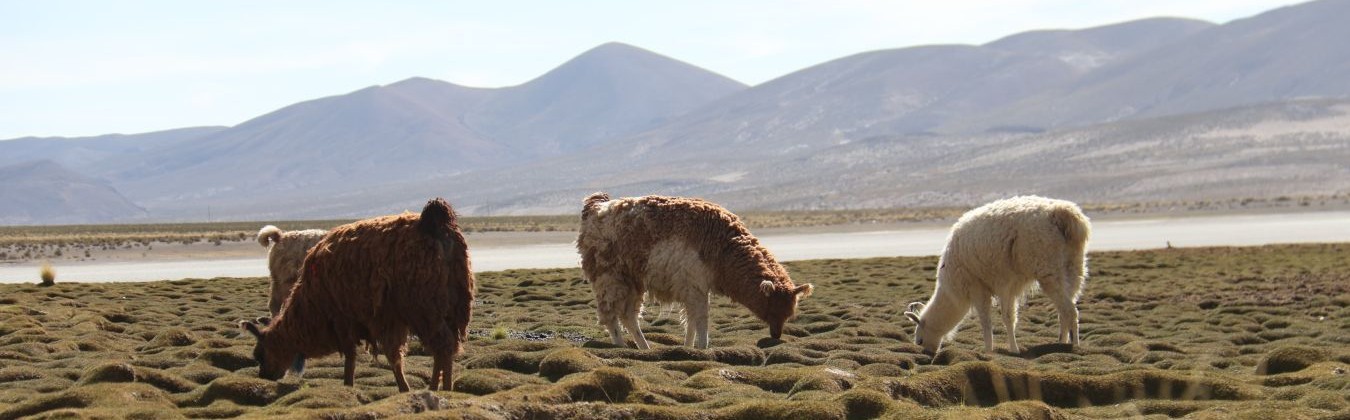
Can you find vegan food in Bolivia while navigating the ’26 strikes in La Paz and election-day lockdowns? Our week-long journey through Bolivia was a rollercoaster of bus (mis)adventures, breathtaking landscapes, and unexpected vegan gems. Below is an attempt to illustrate our short, but incredibly memorable time in this unpredictable country.
Tip: If you’re currently experiencing strikes in La Paz, jump to 4.1. for some (hopefully) helpful tips on how to navigate the situation.
An Introduction to Bolivia
Bolivia – Quick Facts
Essential information for your journey through the Altiplano.
Short overview
Bolivia is a landlocked heart of South America, boasting some of the world’s most extreme and diverse landscapes. From the otherworldly Salar de Uyuni salt flats and the dizzying heights of the Andes to the humid basin of the Amazon, it is a country deeply rooted in indigenous culture and vibrant traditions. Bolivia offers a raw, authentic travel experience where adventure is found in every unpredictable turn.
Practical tips
- Languages: Spanish (official), Quechua, Aymara, and 34 other indigenous languages.
- Time zone: UTC-4 (Bolivia Time).
- Plug type: A and C (115V / 230V).
- Best time to travel: May–October (Dry season) for the Altiplano and trekking.
- Transport: Extensive bus network, “Mi Teleférico” in La Paz, and domestic flights for long distances.
- Best for: Salt flats, indigenous culture, high-altitude hiking, and Amazonian wildlife.
This post contains affiliate links. If you make a purchase or booking through these links, we earn a small commission at no extra cost to you. This supports our work and allows us to keep offering free content here on the blog.
Our Short, But Intense Time in Bolivia
To tell the truth, we were hesitant to write about Bolivia because the single week we’ve spent here barely scratches the surface of a country that deserves so much more. Yet, our time in La Paz and Salar de Uyuni left a lasting impression: somehow chaotic, but the kind of “tame chaos” that doesn’t hurt, and still makes for a good story over dinner parties. From navigating city-wide strikes and election lockdowns to uncovering hidden vegan gems and surviving bus misadventures, this is a look at our short but unforgettable journey through the Bolivian Altiplano.
From Atacama to Uyuni
Atacama to Uyuni Tour
Our introduction to Bolivia started with a 7:00 AM wait at the Hito Cajón border in the freezing cold. And we mean, freezing: it was barely 5°C at an altitude of 4,500m, and we were desperately waiting for the sun to rise and cast a bit of warmth over our shivering bodies.
It’s not like we hadn’t been warned. The tour operator for our Atacama to Uyuni tour, and the dozen articles we’d read while preparing for our Altiplano adventure, clearly stated to prepare for cold temperatures. But reading that in the cozy warmth of San Pedro de Atacama, it was hard to imagine just how cold the Andean could be. I looked down at my sad barren ankles and the ridiculously small socks I’d decided to wear that day, thinking longingly of the warm, long socks and beanie buried in my backpack at the back of the truck.

However, all of this was soon forgotten, because we were in for the trip of our lifetime. We’ve written about it in detail in our (Vegan) Atacama to Uyuni Tour guide: the lagoon and rock visits, the wildlife encounters, the over-the-top plant-based catering. And of course: the otherworldly, better-than-anything-we-have-ever-experienced Salar de Uyuni salt flats. This alone made the Bolivia trip worth it all.
But, the fact that it was a guided tour, sharing the jeep, the accommodations, and the restaurants with other travelers, also made it feel somehow disconnected from reality.
Unexpected Uyuni Stay
What to Do in Uyuni
Our introduction to the “real” Bolivia came in Uyuni. We arrived on a Sunday which coincided with the Bolivian national elections. These have a unique, somewhat humorous side effect: driving across the entire country is prohibited during election days. That meant no buses, no taxis, and no escape out of this small desert town.
Most travel blogs suggest only two things to do in Uyuni:
- Visit the Salt Flats.
- Leave.
With the first already ticked off and the second physically impossible, we were left with Option 3: actually explore Uyuni. Our expectations were understandably low, but as it turned out, a day in Uyuni was far from the worst day we’ve ever spent.
Sundays are typically market days, but since most formal shops were closed for the election, the street market became even bigger and livelier. The streets were full of local food, drinks, and music. We also made the mandatory trip to the Cementerio de Trenes (the Train Cemetery). As the name suggests, it’s a haunting graveyard of abandoned steam locomotives, some dating back to the early 1910s. While we wouldn’t suggest traveling to Uyuni solely to see it, it is an iconic, surreal landscape, and perfect for creative photography.
What makes the place even more bizarre is the exhibition of giant scrap-metal robots (or Transformers… I should probably let Daniel write this part) right next to the rusted tracks. They were incredibly creative, crafted entirely from recycled materials, adding a strange, post-apocalyptic layer to this already otherworldly place.
Where To Stay in Uyuni
For our stay in Uyuni, we chose Cabañas Sal y Piedra. This salt hotel was incredibly cozy, providing a small kitchen and a much-appreciated hot shower. Plus, it was run a by an incredibly kind family.

Vegan in Uyuni
However, we saved the true highlight of Uyuni for last: whether you are vegan or not, we can wholeheartedly recommend Minuteman Pizza (located inside the Toñito Hotel). The restaurant has an easy-going backpacker vibe and is just a few minutes’ walk from the bus station, making it the perfect final stop before boarding a bus to La Paz or Sucre.

From Uyuni to La Paz
Throughout our travels in Argentina and Chile, we had learned to love South America’s bus systems. We were used to the large, plush seats that reclined almost into beds, offering more than enough legroom for a comfortable night’s sleep. Because of this, we didn’t think twice when booking our night bus from Uyuni to La Paz.
We’ve also learned to love being early to airports, train stations, and bus terminals. The feeling of arriving without stress and having enough time to navigate a new place is priceless. This time, it was actually crucial. When we arrived to “check in” for the bus (which meant exchanging our online booking for a physical ticket) the lady at the desk began scrolling through an endless Excel list of names. She stopped multiple times, pointing at a name and asking, “Is this you?” (Linda? Laura? David?). Each time, we shook our heads. Finally, she gave up. Despite our digital confirmation, our names were nowhere to be found on the company’s reservation list.
We grew a bit worried, but in typical South American “no te preocupes” style, she simply signaled for us to sit down on a small sofa in her tiny office. She made a few fast phone calls, and minutes later, a woman from a different bus company appeared. “Come”, she told us. We’d be getting seats on her bus instead.
La Paz (Mis)Adventures
Fuel Strikes and Road Blocks
Despite the seat-reservation saga in Uyuni, we arrived in La Paz without any further problems. Stepping off the bus, you are immediately hit by the sheer scale of the city. It’s a dizzying, bowl-shaped metropolis that spills down the sides of the Andes, and at 3,640m altitude, even a short walk to find coffee can leave you breathless.

It didn’t take us long to realize that we had landed in La Paz at the beginning of a nation-wide strike, meaning it would be several days before we could leave the city. For the second time this year, the city was in the grip of a major transport strike triggered by a sharp rise in fuel prices. The government’s move to cut decades-old fuel subsidies, the resulting “Gasolinazo”, saw prices for petrol and diesel nearly double overnight.
Things to do in La Paz (even in the Middle of Strikes)
Admittedly, there are worse places to be stranded than Bolivia’s high-altitude capital. Strike or no strike, the Mi Teleférico, La Paz’s impressive cable car system, is the best way to navigate the city, offering million-dollar views over the colorful rooftops and steep alleys.
Beyond the views, the city has a lot to offer. One thing not to miss is the iconic and energetic Cholitas Wrestling show, a powerful symbol of indigenous resistance and pride in Bolivia. And, in case of no road blocks, a visit to Valle de la Luna (not to be confused with the Moon Valley in the Atacama) is absolutely worth it for its lunar landscapes. For those seeking even more adrenaline, there is always the option of a bike tour down Yungas Road, famously known as the world’s most dangerous road.
Vegan restaurants in La Paz
Espacio Armonía/Altramuz
However, the secret reason we wrote this blog post is to tell you about the absolute best vegan restaurant in La Paz. This place called Espacio Armonía by day and Altramuz by night is a true gem that feeds both your belly and your soul. The food is prepared with so much love and care that every bite feels like a warm hug.

Plus, it’s incredibly affordable! For lunch, they offer a set menu for only 30 Bolivianos, which includes a starter, a soup, and a main course. They even have their own garden where they harvest the vegetables, and you can truly taste that freshness in the meals. Whatever you do, don’t miss this place while you’re in La Paz!
Go Green Restaurant
Another restaurant we tried that will especially satisfy your fast-food cravings is Go Green Restaurant. This vegetarian spot offers plenty of vegan options, such as burgers, hot dogs, salchipapas (a local speciality), and paninis.

Just be sure to specify “vegan” when ordering, since some of their standard sauces are not, but it’s no problem at all for them to veganize everything on the menu. It is a great and affordable spot for a quick lunch or dinner when you need something fast and filling!
Leaving Bolivia
While in La Paz, we spent our mornings following the news to see when the strikes might finally lift. Since we had already stayed in the city longer than planned, we were eager to catch a bus out as soon as a window opened. The situation remained unstable; the strike was declared “indefinite,” and we knew the protesters could shift their blockades at any moment.
One incredibly cool aspect of navigating these chaotic times is how personal the communication is. In Europe, you might send a formal email to a nameless department and never receive a reply. In Bolivia, you WhatsApp with the bus company directly. The day before our bus was supposed to leave, the driver actually texted me the driver texted me that we’d try to leave at 6:00 AM instead of the planned 7:00 AM to have a chance to bypass the roadblocks. While the strategy didn’t ultimately work out, there was something undeniably bonding about complotting in this top-secret escape plan together.
Eventually, the day came when the strikes were finally declared lifted. (Was it a coincidence that it happened on the same day Bolivia beat Suriname 2-1 in the World Cup playoffs?)
Since we were on a tight schedule and had to reach Peru by a specific date, we made the heavy-hearted decision to skip the Bolivian Copacabana and head straight to Puno, on the Peruvian side of Lake Titicaca.
Tips on Navigating Strikes in La Paz
In March 2026, we found ourselves in the middle of strikes and roadblocks in La Paz without a plan, any idea how long they might last, or what it all meant for the rest of our trip. In our case, the protesters and the government reached an agreement after just a few days, but fresh strikes have continued to paralyze large parts of Bolivia in the weeks and months since.
Now, in May 2026, new protests centered on fuel shortages and economic decline have emerged, and it seems like this situation will continue for a while. Having experienced a “soft” version of this chaos ourselves, we thought it would be helpful to share some advice for fellow travelers who find themselves stuck in La Paz and unable to move on to their next destination.
Moving Inside La Paz
- The Teleférico is still working: Since the cable cars are electric, they are unaffected by the fuel shortages. Most lines are running as usual, though queues at major stations (like Obelisco) can be 45-60 minutes long.
- Businesses are staying open: Most hotels, supermarkets, restaurants and cafés in the center remain open. Just prepare for occasional shortages or longer wait times, since supply trucks might be caught behind the blockades or staff members take longer to get to work.
- Airport Access: Despite the current national strikes, the connection between the city and the airport is holding up. The main airport road (the Autopista) has been working normally so far (May 2026), and flights are operating as scheduled. However, we still recommend giving yourself a 3-4 hour buffer just to be safe from temporary “flash” blockades or heavy traffic. And in the “worst-case” scenario if all else fails: take the Purple (Morada) or Red (Roja) Teleférico lines up to El Alto. If the road from the station to the terminal is also blocked for cars, you can usually find a moto-taxi (motorcycle) to zip you through the barrier. As an absolute last resort, you could walk the remaining 1-2 kilometers.
- Day Trips: Tours to Huayna Potosí, Chacaltaya, or the Death Road require driving out of the city, which means they depend entirely on whether the specific exit points are currently blocked. To see what is actually possible during your stay in La Paz, your best bet is to contact tour operators directly. In Bolivia, this is almost always done through WhatsApp. To see what is possible during your stay in La Paz, it’s best to contact tour operators directly. In Bolivia, this can easily be done through WhatsApp: just text them and ask which tours are possible and operating despite the blockages.
Beware of Unofficial Transport
While there are strikes in La Paz and roads are blocked, be careful before paying for unofficial transport. Many travelers are being offered “guaranteed” alternative routes for crazy prices, sometimes +100$ per person for short sections. Local drivers have told us that many of these “secret” routes are also becoming blocked or unreliable, so paying a fortune doesn’t guarantee you will actually arrive at your destination.
Tracking the Strikes in La Paz in Real-Time
- The Official ABC Map: The Administradora Boliviana de Carreteras (ABC) maintains real-time, color-coded map called the Mapa de Transitabilidad displaying every major road in the country. Look specifically for Blue Points: these mark “conflict” areas (the strikes and blockades). Green means the road is clear, and Orange usually means it’s closed for weather or maintenance. This is what the locals and bus companies use.
- Waze: Waze is surprisingly effective in Bolivia. Because so many taxi and long-distance drivers use it, blockades are often reported here before they hit the official ABC map. If you see several cars “stuck” in a line on the map with no movement, it’s a high-probability blockade.
- Social Media: In 2026, TikTok and Facebook are the fastest ways to see the “vibe” of a blockade.
- TikTok/X (Twitter): Search for the hashtag #BloqueosBolivia or #LaPazBloqueos. Filter by “Latest.” You will often see live videos of protesters, which tells you if the blockade is a few people or a massive truck line.
- Facebook Groups: Search for groups or pages like “Contacto Bolivia“ or local La Paz community or travel groups (for example “Bolivia travel“).
Lake Titicaca: Bolivia or Peru?
If your journey through the Altiplano takes you toward the mystical Lake Titicaca, you will likely find yourself choosing between two very different gateways: Puno in Peru or Copacabana in Bolivia. While both destinations share the same thin, freezing Andean air, the experiences on the ground couldn’t be more distinct. Puno is the gritty, bustling hub of the Peruvian side: a functional city that serves as the primary jump-off point for the famous Uros Floating Islands. These islands, crafted entirely from totora reeds, are a genuine architectural marvel, even if the experience can sometimes feel a bit like a well-rehearsed stage set for visitors. Puno is undoubtedly the place to go if you are looking for organized cultural exchanges or homestays on islands like Amantaní, where you can live with a local family and truly disconnect from the modern world.

On the other hand, Copacabana feels like a laid-back, colorful backpacker beach town, significantly smaller and more walkable than Puno. The main draw here is the Isla del Sol, a car-free island of Incan ruins and ancient trails that offers some of the most spectacular 360-degree views on the Titicaca Lake.
The bus ride to Puno was a bit of a practical lesson in the meditation books we’ve been reading. Settling into the lower deck of our double-decker bus, we found ourselves surrounded by a group of travelers who all seemed to know each other and acted as if they had reserved the entire floor for themselves. The real test of our Zen, however, came at the border. Typically, you have to carry your own luggage through the controls, but this group moved with the speed of a glacier. It actually took them longer to disembark and haul their bags than it took the La Paz strikers to set up and tear down their roadblocks!
To top it off, they were exactly the type of people who expect everyone else to lift their overweight luggage for them. What can we say, we breathed a huge sigh of relief when finally getting off the bus in Puno.
Things to See in Bolivia that We Didn’t
Even though our week felt like a lifetime of adventures, there is so much more to Bolivia than what we managed to squeeze in. If we hadn’t been racing against a calendar (and a nationwide strike), these would have been some more stops on our list:
- Sucre: Known as the “White City,” this is the constitutional capital and is famous for its beautiful colonial architecture and much warmer, relaxed climate. It’s also home to Cal Orck’o, where you can see over 12,000 prehistoric dinosaur footprints!
- Mountain Climbing: La Paz is a mountaineer’s playground, and perfect for everyone eyeing for some high-altitude challenges. Huayna Potosí is legendary among travelers because it’s known as one of the most “accessible” 6,000-meter peaks in the world—perfect even for beginners who want to stand on a glacier. Then there’s the iconic Illimani, the massive, snow-capped “Mother Mountain” that watches over La Paz. Standing at over 6,400 meters, it’s a more serious climb but looks absolutely breathtaking from the city.
- Potosí: Once one of the wealthiest cities in the world due to its silver mines, it sits at a staggering 4,090m. Visiting the mines of Cerro Rico is a sobering but deeply historical experience that shaped the modern world.
- Madidi National Park: For a complete change of scenery, you can head from La Paz to Rurrenabaque to enter the Amazon. It’s one of the most biodiverse places on Earth, where you can swap the freezing Altiplano for humid jungle, pink river dolphins, and macaws.
- Sajama National Park: Located on the border with Chile, this park houses Bolivia’s highest peak (Nevado Sajama) and is filled with geysers, hot springs, and ancient forests.
- Tiwanaku: Just a short trip from La Paz, these are the ruins of a powerful pre-Columbian civilization. It’s a must for everyone interested in history and who want to see the “Gate of the Sun” and learn about the cultures that predated the Incas.
This guide is completely free. If it helped you plan your trip and you’d like to say thank you, you can do so here 🙂

Is Bolivia vegan-friendly?
While Bolivia is traditionally a meat-heavy country, it is surprisingly easy to navigate as a vegan—especially in the Altiplano. Staples like quinoa, various types of potatoes, and fresh vegetables are everywhere. In larger cities like La Paz, the plant-based scene is growing rapidly.
What is the best vegan restaurant in La Paz?
Our absolute favorite is Espacio Armonía / Altramuz. They offer a soulful garden-to-table experience with a 30 Boliviano set lunch that feels like a warm hug. For those craving comfort food like burgers or salchipapas, Go Green is the go-to spot for affordable, quick vegan fast food.
Can I get vegan food on a Salar de Uyuni tour?
Yes! Most tour operators are very accommodating if you notify them at least 24 hours in advance. On our tour, we were served over-the-top plant-based catering that included fresh salads, quinoa dishes, and even vegan-friendly snacks. Just double-check with your driver on the morning of departure to ensure the “no meat, no dairy” message was passed on.
How do I find out about strikes or roadblocks in Bolivia?
The best way to get real-time info is through the ABC (Administradora Boliviana de Carreteras) official Mapa de Transitabilidad. This interactive map shows exactly where roads are blocked (blue points) or closed. Additionally, always ask your hostel or bus company for their WhatsApp number; local drivers often have the most current “insider” info on when a roadblock might briefly open.
What should I pack for the Altiplano cold?
Do not underestimate the Andean night! Even if the sun is shining, temperatures can drop to 5°C or lower at high altitudes (4,500m+). Pack thermal layers, a beanie, and long socks. Don’t leave them at the bottom of your bag in the truck like we did—keep your “survival gear” accessible for those early morning border crossings.
Does Minuteman Pizza in Uyuni have vegan options?
Yes! Minuteman Pizza (inside the Toñito Hotel) is a legendary stop for backpackers. They are very knowledgeable about veganism and can easily customize pizzas or offer hearty salads. It’s the perfect, cozy place to fuel up before a long night-bus journey to La Paz.

About the Authors
Lynn & Daniel are the vegan couple behind VanderlustJourney, combining their passion for adventure and plant-based living. They share stories and visuals of natural places, hikes, vegan discoveries, and meaningful encounters from around the world – always striving to travel with kindness.
👉 Follow us on Instagram
✉️ Contact: vanderlustjourney@outlook.com